Flu Mapped, Psilocybin Persists, and Infant Formula on Recall
EMBL maps flu's cell attack, psilocybin changes brain structure for weeks, spermidine boosts aging vaccines, and parents warned on formula.
By Dr. Asher Knippel
This week in health science: a detailed molecular blueprint of how influenza A subverts human cells, fresh preclinical evidence for a brain protein that may one day blunt Alzheimer's tau damage, a pilot trial showing a food compound strengthens vaccines in older adults, a lasting brain change from a single dose of psilocybin, and an active safety recall affecting infant formula distributed across the United States.
Thursday, 17 July: SORLA Protein May Shield the Brain from Alzheimer's Tau Tangles
Researchers at Sanford Burnham Prebys published findings in Science Advances showing that a naturally occurring brain protein called SORLA can dramatically reduce the toxic tau tangles associated with Alzheimer's disease and related dementias. When the team elevated SORLA levels in a mouse model of tauopathy, the animals showed significantly less tau accumulation, less brain atrophy, and lower activity of disease-related genes in the brain's support cells compared with controls. SORLA also suppresses amyloid-beta production—meaning it may act against both of Alzheimer's two hallmark pathologies simultaneously. This is preclinical work in animal models, and the road from laboratory mouse to human treatment is long. Still, identifying a single endogenous protein that addresses both tau and amyloid-beta pathways represents a meaningful advance. The team now plans to investigate whether SORLA's protective capacity can be amplified through gene therapy or small molecules that boost its expression in the living brain.
Saturday, 19 July: Spermidine Supplements Improve Vaccine Response in Older Adults
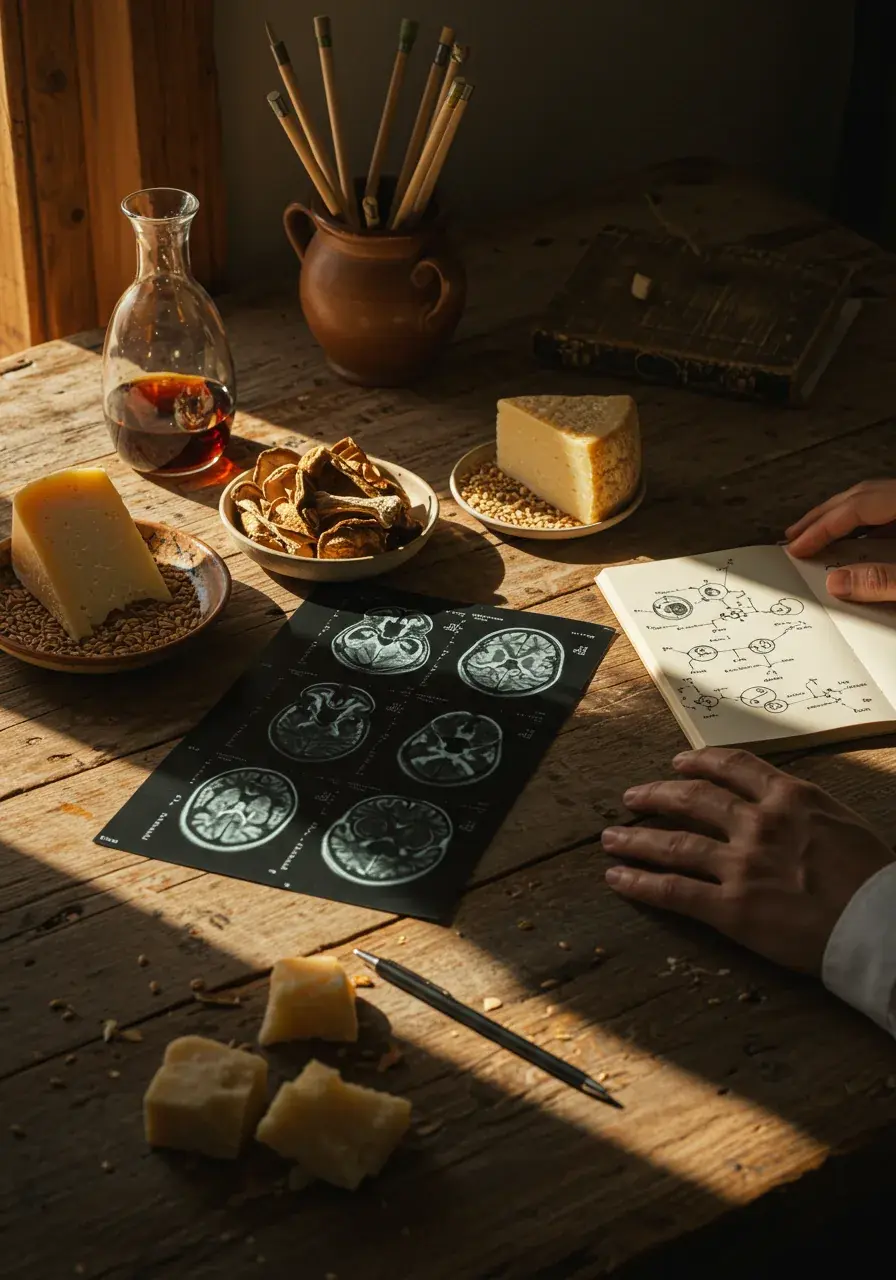
A pilot randomised controlled trial published in Aging Cell by researchers at the University of Oxford's Nuffield Department of Orthopaedics, Rheumatology and Musculoskeletal Sciences found that daily supplementation with spermidine—a naturally occurring compound found in wheat germ, mushrooms, and aged cheeses—improved the vaccine response in adults aged 65 and older. The 40 participants received either a spermidine-rich wheat germ extract or a placebo for 13 weeks following their third COVID-19 vaccination. Those who took the supplement showed higher antibody levels, stronger cross-variant protection, and a measurable reduction in senescent immune cells—the dysfunctional, age-accumulated cells that blunt older immune systems. The biggest gains appeared among people whose immune systems had initially responded poorly to vaccination. Spermidine stimulates autophagy, the cellular process by which cells clear damaged components; as autophagy declines with age, immune cells become sluggish. The study was a small pilot (n=40) and must be replicated in larger trials before dietary or supplement guidance changes. Spermidine is abundant in foods already common in Mediterranean diets—wheat germ, aged hard cheeses, dried mushrooms—which makes this finding of particular local interest. Readers should not begin supplementing without first consulting a clinician.
Saturday, 19 July: One Dose of Psilocybin Restructures the Brain for at Least a Month
A study published in Nature Communications by researchers at the University of California, San Francisco and Imperial College London documented lasting physical changes in the brains of 28 healthy adults who received a single 25-milligram dose of psilocybin for the first time. Diffusion tensor imaging scans performed one month after the session showed that participants' neural pathways had grown denser and more structurally organised—the opposite of what normal ageing typically produces in those same pathways. Participants who experienced the greatest increase in brain entropy (the variety and flexibility of brain activity) also reported more personal insight and later improvements in well-being. UCSF noted that these structural shifts may help explain psilocybin's therapeutic promise in clinical trials targeting depression, addiction, and anxiety disorders. This was a small study conducted in healthy first-time users—not a treatment trial in patients with diagnosed conditions—so no efficacy conclusions can be drawn from it alone. Psilocybin remains a controlled substance in most jurisdictions, and individuals should not self-administer.
Sunday, 20 July: Scientists Map How Influenza A Dismantles the Cell from the Inside
A research team at the European Molecular Biology Laboratory (EMBL) published the first comprehensive molecular map of how the influenza A virus rewires human host cells, in Nature Microbiology. Using cross-linking mass spectrometry and AlphaFold structural modelling, the scientists identified two key strategies. First, the virus commandeers host proteins to process hemagglutinin—its surface protein that functions as a molecular key, allowing influenza to recognise and penetrate human cells. Second, and more surprisingly, influenza A actively dissolves nuclear paraspeckles: small structures inside the cell nucleus that play a role in antiviral defence. By dismantling them, the virus simultaneously acquires RNA-binding proteins it needs for replication and weakens the cell's own immune response. The comprehensive interaction map identifies multiple candidate targets for next-generation antivirals and may guide the design of broader-spectrum flu vaccines. Seasonal influenza kills between 290,000 and 650,000 people globally each year according to WHO estimates; mechanistic insight at this resolution opens new avenues that surface-level surveillance alone cannot provide.
Tuesday, 21 July: Dementia Prevention Needs Local Calibration, Landmark Study Finds
A USC-led study of more than 214,000 older adults across 14 countries and regions, published in The Lancet Healthy Longevity, found that the most prevalent modifiable dementia risk factors differ sharply depending on where a person lives—with direct implications for how prevention programmes should be designed. Researchers examined 12 factors identified by the 2024 Lancet Commission, including hearing loss, depression, physical inactivity, diabetes, obesity, hypertension, smoking, and social isolation. Low educational attainment affected 85.6% of older adults in China but only 12% in the United States; high BMI was a burden for 44.9% of Americans compared with just 13.3% in India. Hypertension, hearing loss, and physical inactivity ranked among the highest-burden modifiable risks for North American populations. The study concludes that a single global prevention blueprint cannot be exported uniformly: governments and health organisations need locally calibrated programmes that match the actual disease burden in each country. For Cyprus and the eastern Mediterranean—where hypertension in older populations is a well-documented concern—targeted blood-pressure monitoring and hearing-screening programmes may offer outsized preventive benefit relative to their cost.
Active Safety Alert: Infant Botulism Linked to Organic Formula Recall
The US FDA and CDC are investigating four confirmed cases of infant botulism across three states—California, Pennsylvania, and Washington—in boys aged two to five months, all of whom consumed Nara Organics Whole Milk Organic Powdered Infant Formula. Laboratory testing confirmed the presence of Clostridium botulinum in an open can of the formula fed to one of the affected infants. All four babies were hospitalised and treated with BabyBIG (botulism immune globulin); no deaths have been reported. The formula was distributed nationally through Target stores, Target.com, and Nara.com between July 2025 and June 2026. The FDA advises parents and caregivers not to use any Nara Organics Whole Milk Organic Powdered Infant Formula. Early warning signs of infant botulism include constipation, poor feeding, loss of head control, and difficulty swallowing—symptoms that can progress rapidly to respiratory failure. Consult a paediatrician immediately if an infant who has consumed this product shows any of these signs.
The content above is a journalistic summary for general information only and does not constitute medical advice. Readers should consult a qualified healthcare professional before making any changes to their or their child's treatment, diet, or supplement regimen.