Global AI Governance Reaches an Inflection Point
From FTC proposals to EU watermarks, UN warnings to OpenAI's equity offer—AI governance is shifting from theory to enforceable rules.
BINA runs a daily five-language newsroom and AI-literacy programs for older adults, young people, people with disabilities, and underserved communities.

Issued every morning.
From FTC proposals to EU watermarks, UN warnings to OpenAI's equity offer—AI governance is shifting from theory to enforceable rules.
From a $600M pharma deal to FDA-designated AI radiology and a UN warning on chatbot risks, AI is reshaping medicine.

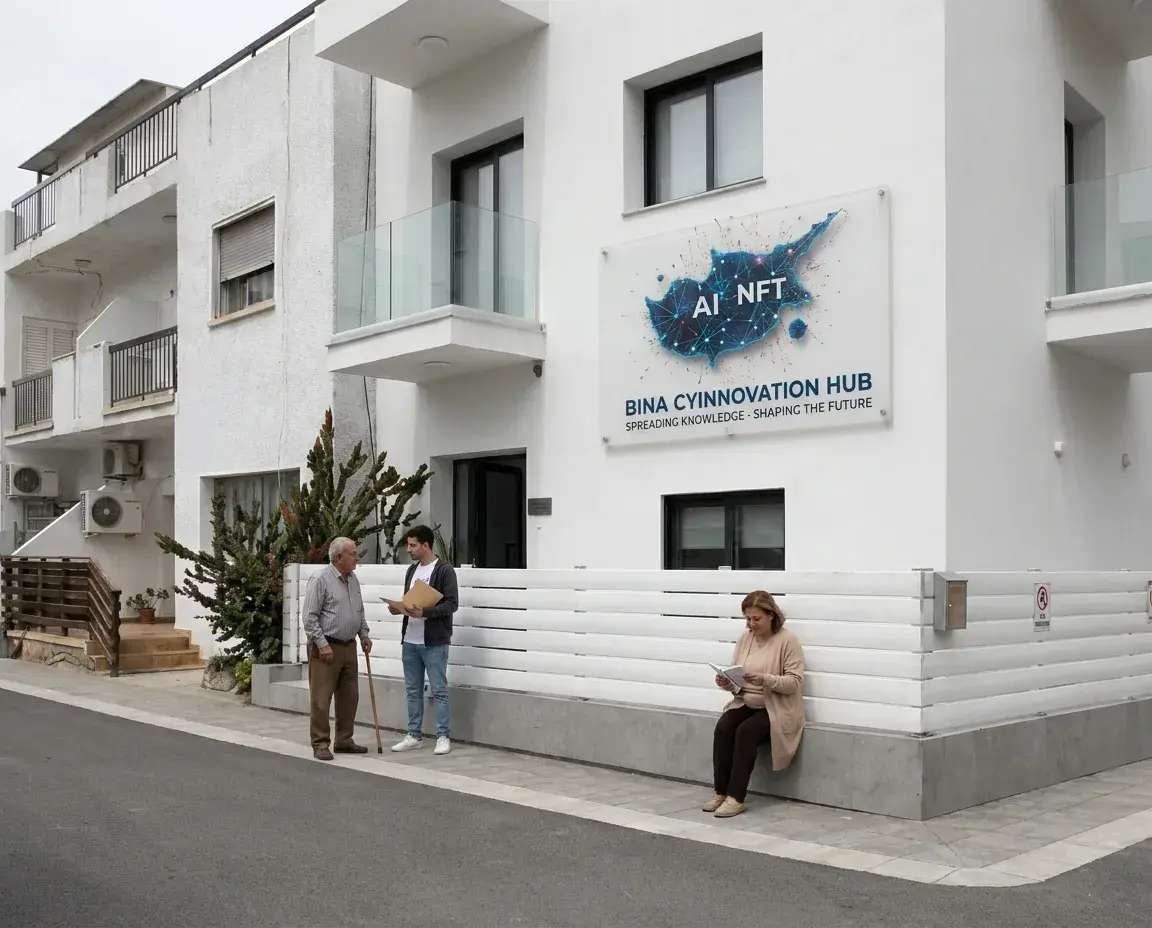
BINA was founded to bring AI literacy to communities the technology might otherwise leave behind — older adults, young people, people with disabilities, and underserved communities across Cyprus and the wider eastern Mediterranean. We publish daily briefs, run workshops, and visit homes and schools.
Read the vision in fullPrograms for older adults, young people, people with disabilities, and underserved communities — at the hub, at school, at home.

Patient, jargon-free workshops at the hub — and at home — for adults 60 and over who want to understand and use AI tools confidently.

Half-day workshops we bring into Cypriot schools. Hands-on, age-appropriate, with strong attention to misuse and well-being.

Home visits and one-on-one sessions for people whose access to technology is mediated by disability, mobility, or care arrangements.

We meet communities where they are — village halls, community centres, places of worship — in their language, on their schedule.
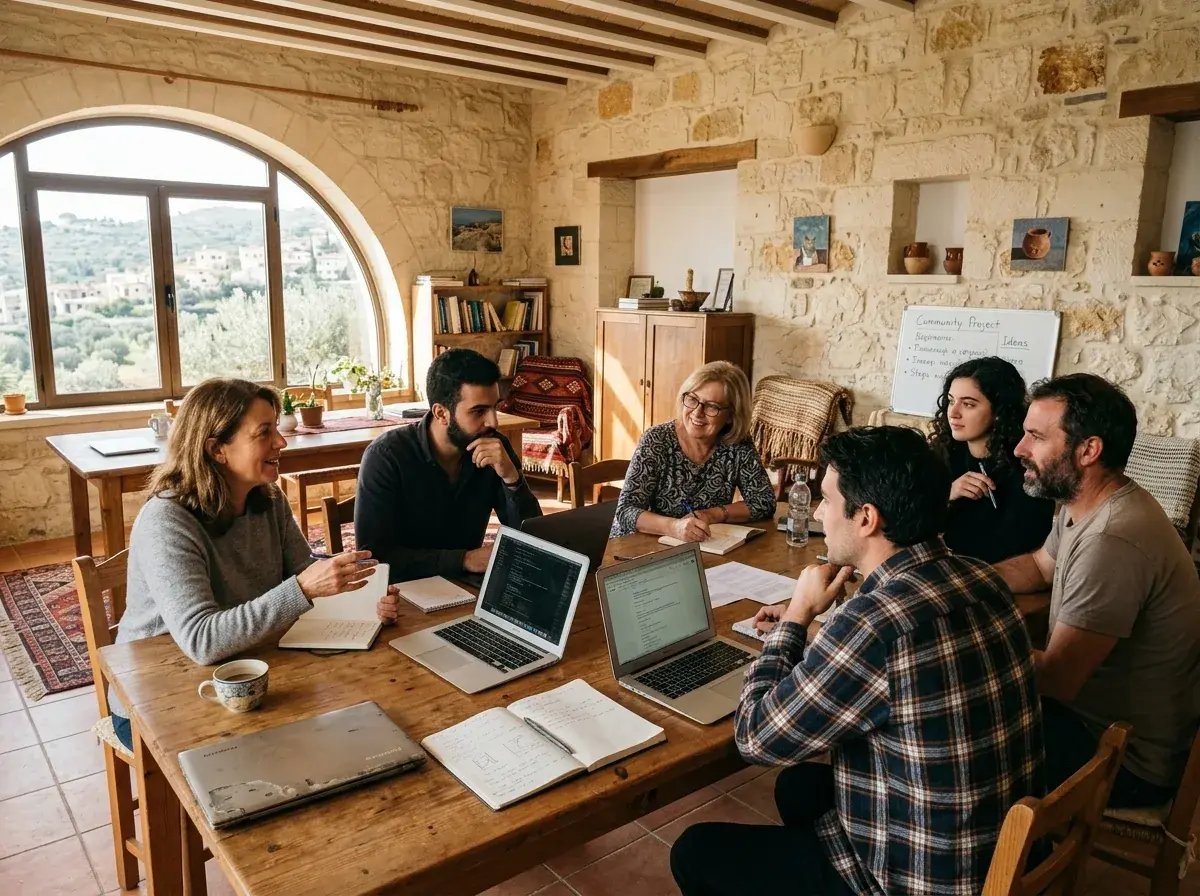
Meetings, partnerships, and the small steps that build community programs.
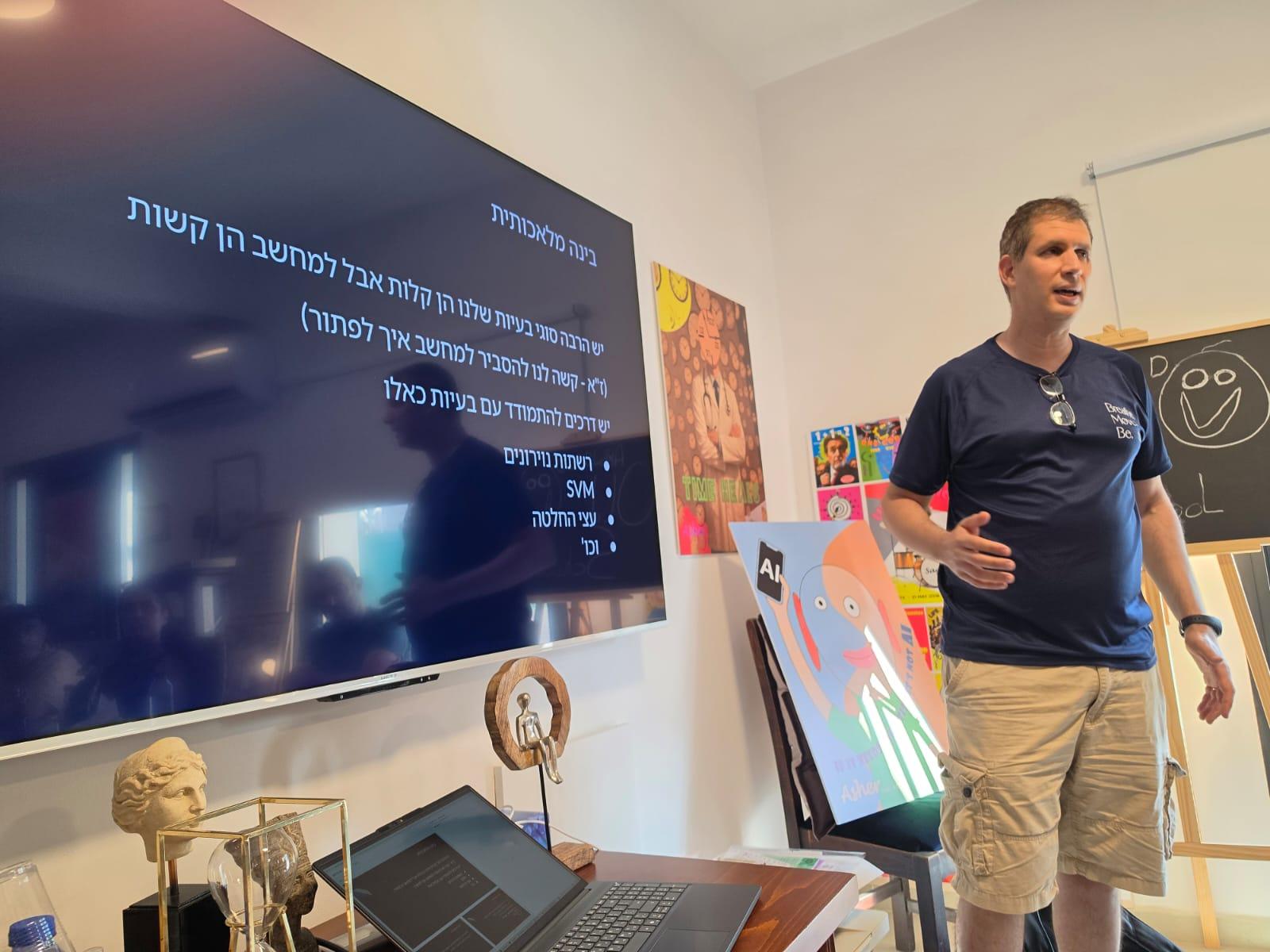
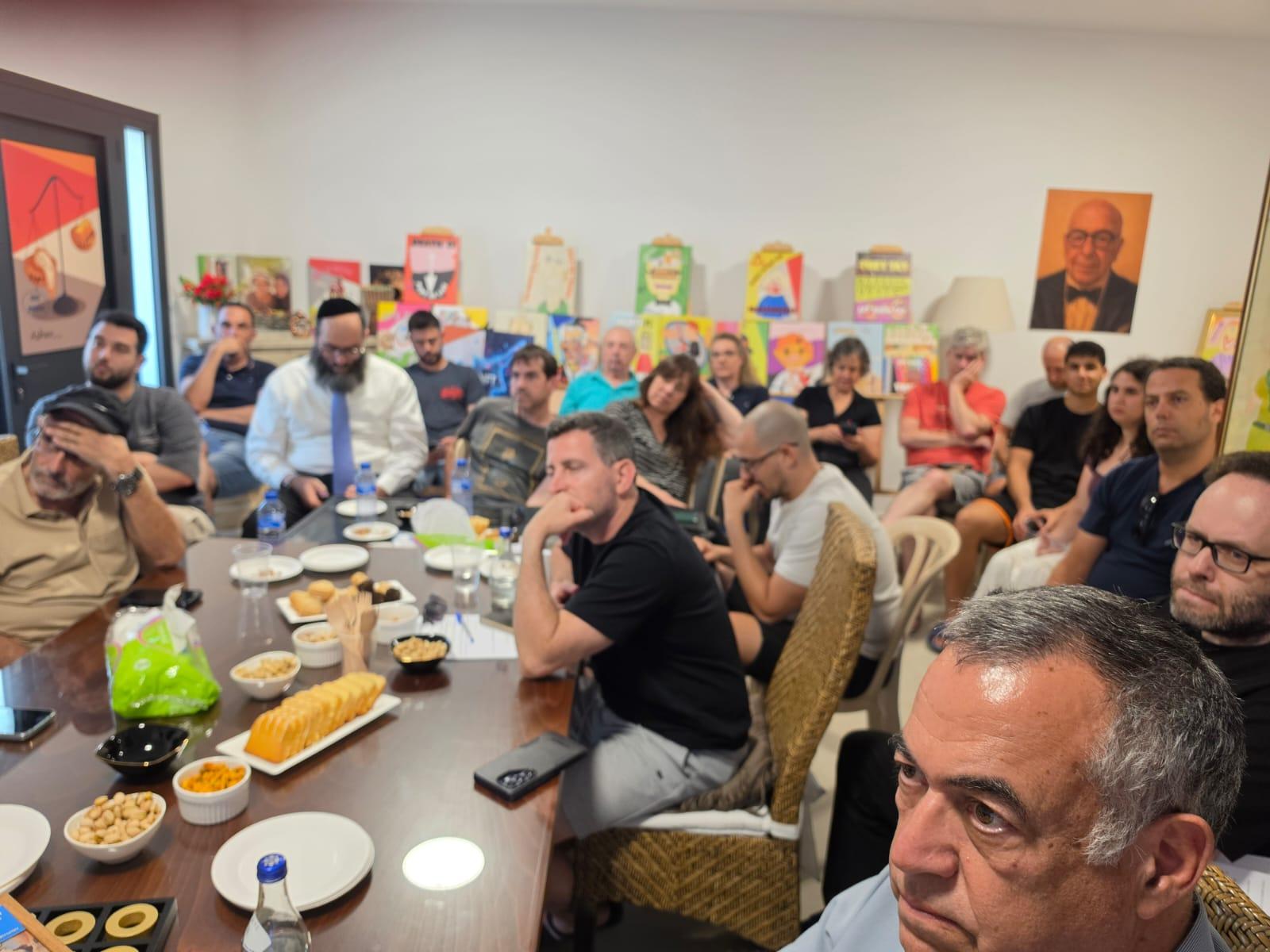
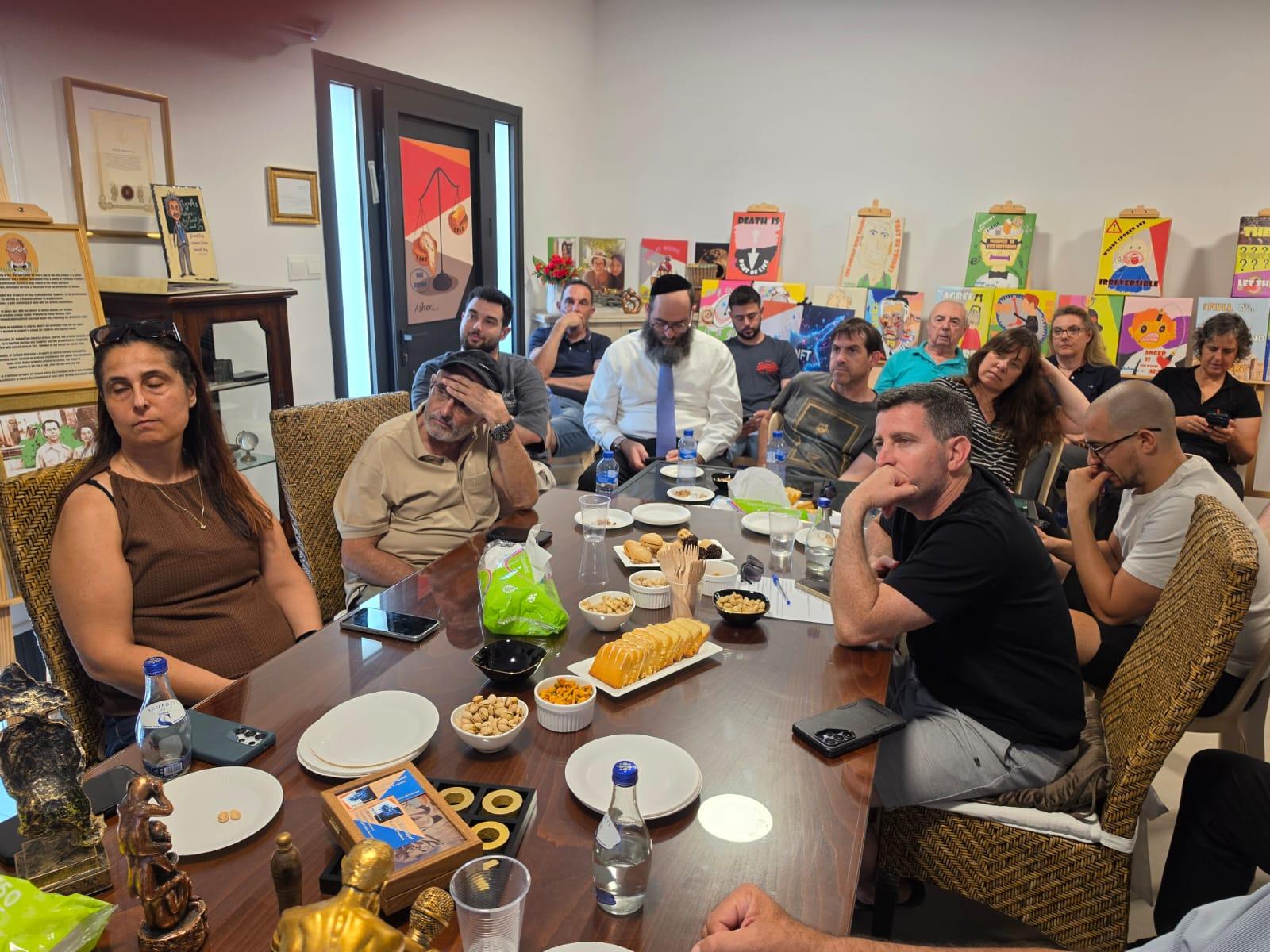
Yesterday we were treated to a fascinating and enriching meeting led by Dr. Haim Shaul — an expert in applied cryptography for privacy in AI models, and a winner of IBM awards for outstanding achievement in patents and professional papers.
In plain, clear language, Dr. Shaul explained how the developers of AI set out to imitate the workings of the human brain, across five topics: our brain versus the artificial brain; how AI "sees" and learns to understand what is really in an image; the "school" in which the system guesses, errs, corrects itself and grows smarter; how it can be fooled by changing a single small point in an image; and how new systems learn to create on their own — to write, to answer and to invent stories — out of a high-level grasp of the context of words.




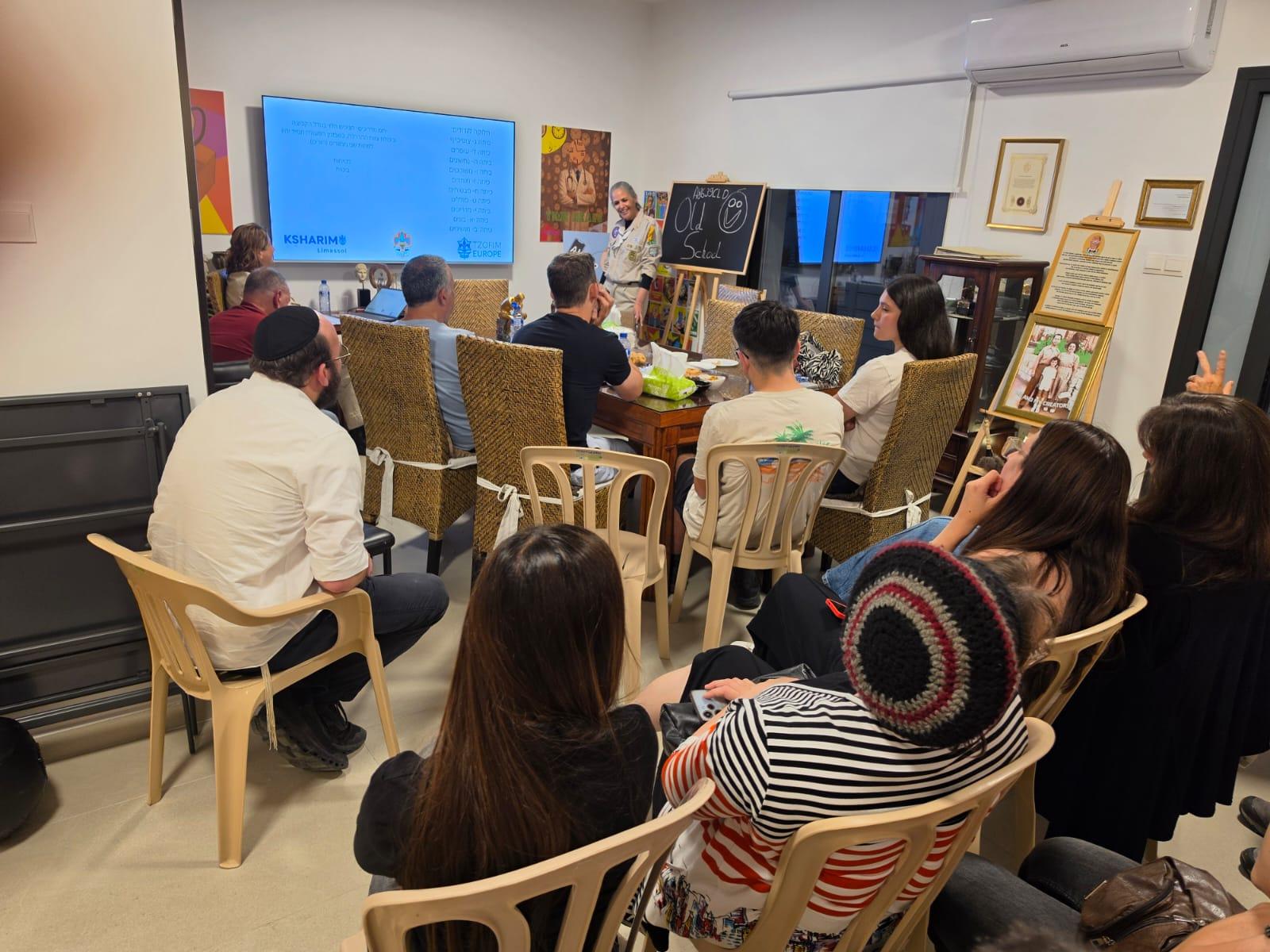
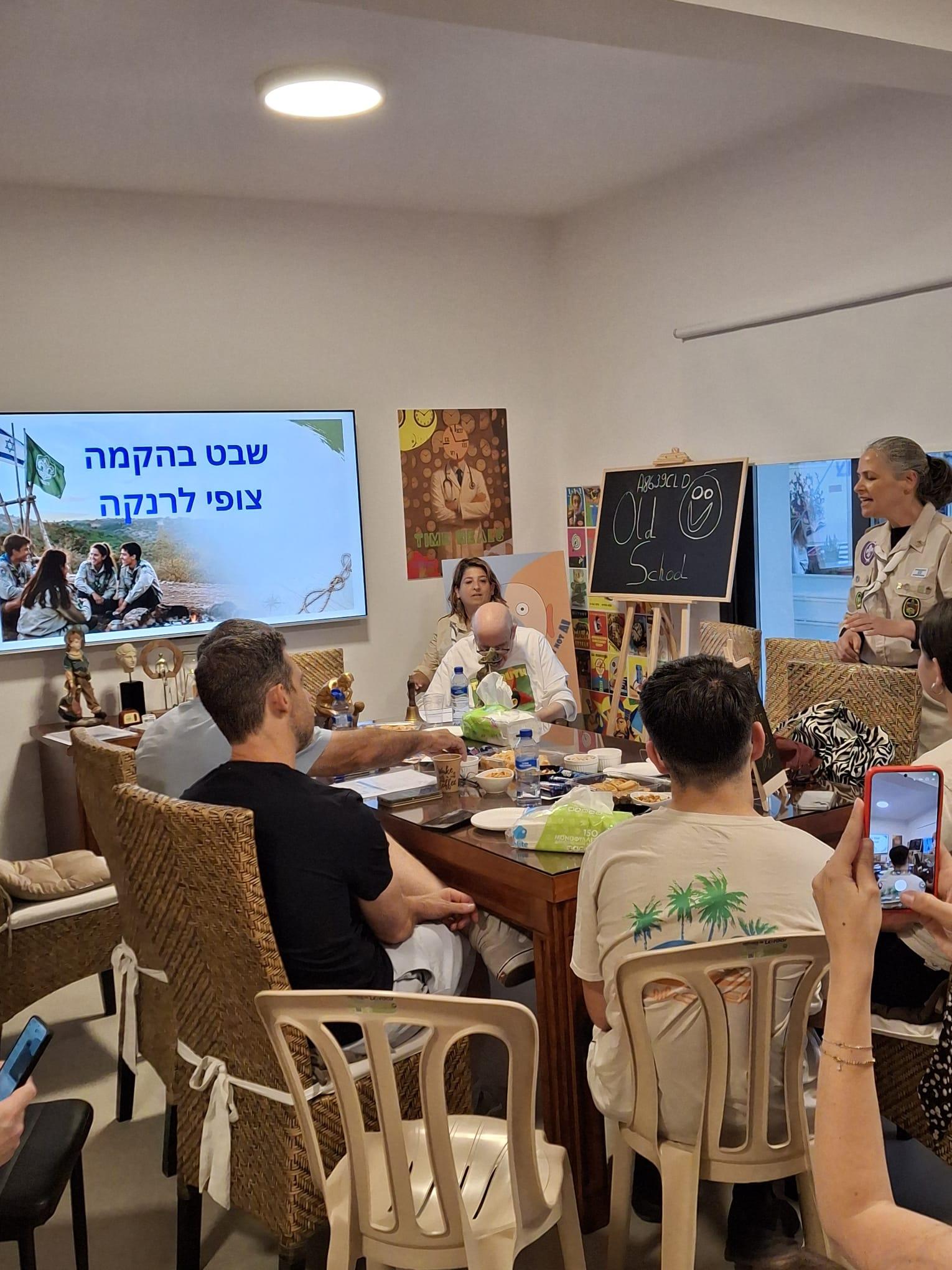
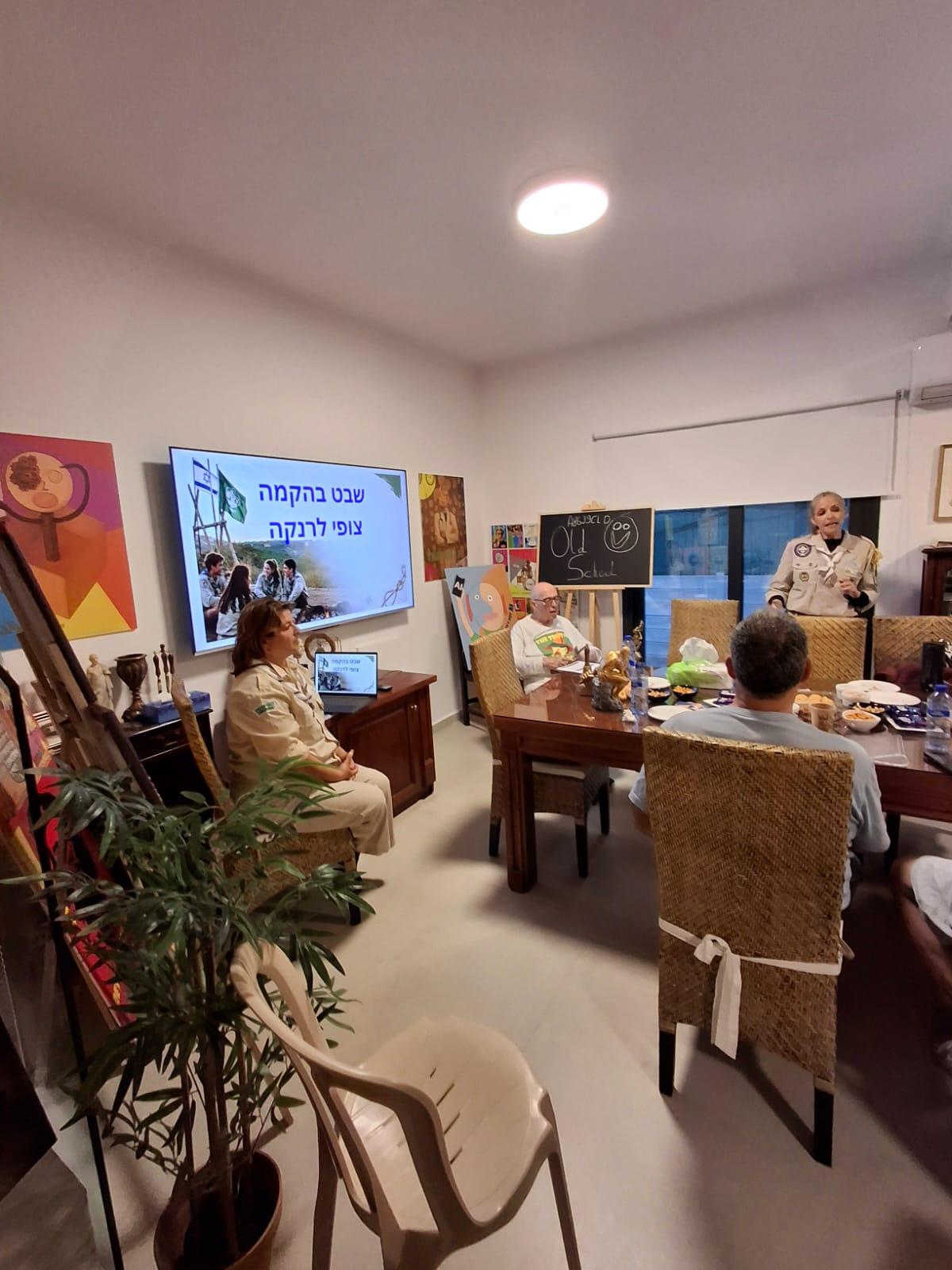
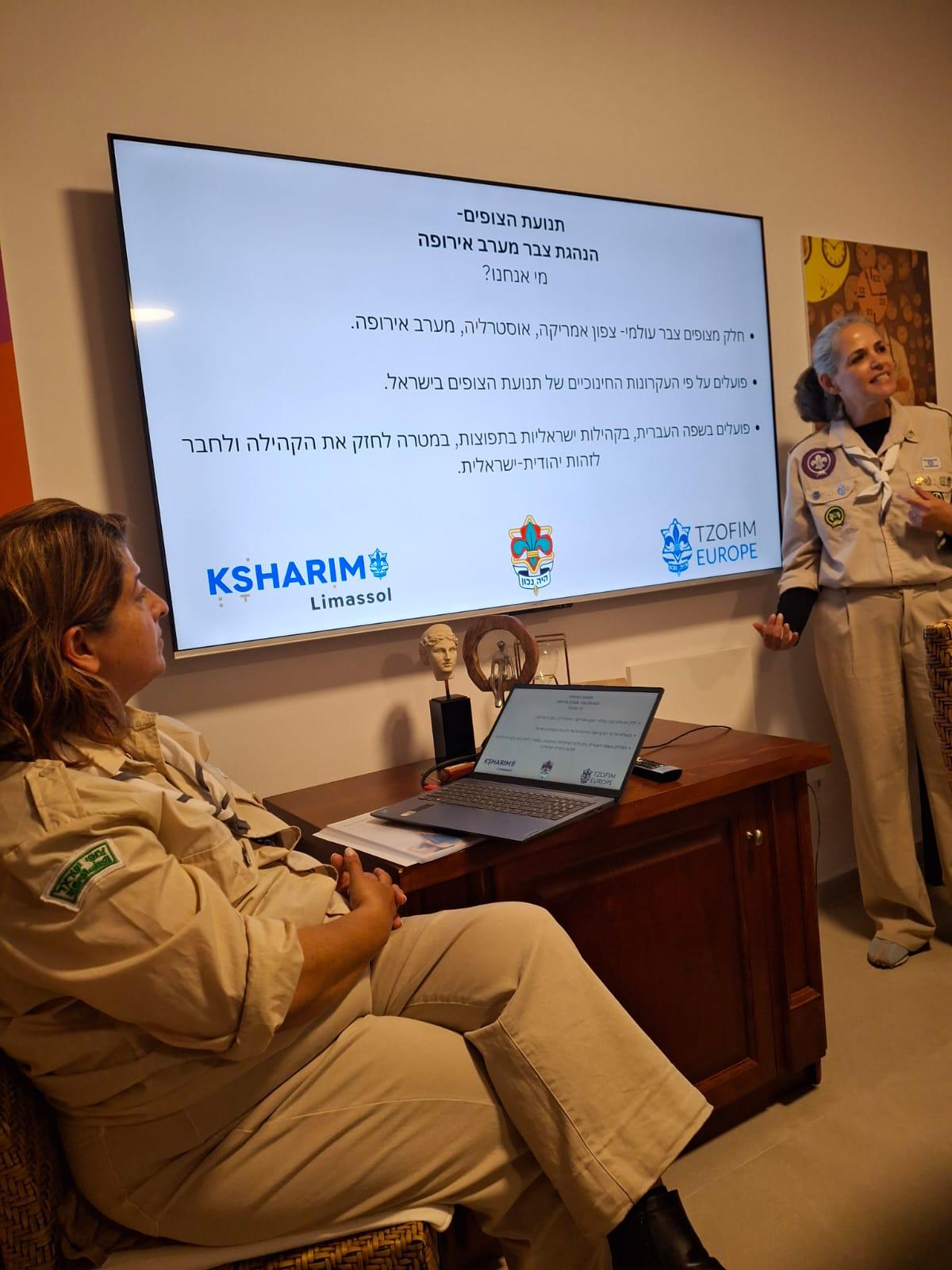
Yesterday we met with Dorit, head of the Tzofim scouts in Limassol, and her colleague Keren, and learned from their experience setting up youth movements in Cyprus.
Parents and teenagers came to explore founding a similar movement in Larnaca, possibly as a branch of the Limassol scouts.


Every brief is published in Hebrew, Greek, English, Russian and Polish.
One short morning email. Five to eight stories on AI policy, models, and what they mean. In Hebrew, Greek, English, Russian, or Polish — your choice.
Free. Unsubscribe anytime.

Founder & Chair
Dr. Asher Knippel is an investor, financial-legal advisor, and academic — specialist in derivatives and capital markets, formerly chairman of the Banking and Capital Markets Committee that led Israel's anti-money-laundering implementation. Born in Haifa (1944), a dual Israeli-Cypriot citizen since 2020, he holds a PhD in Law, Finance, and the Internet from the University of London (2008). In 2026 he founded BINA in Larnaca to bring AI literacy to communities the technology might otherwise leave behind.
Read the full CV →Workshops at the hub and across Cyprus, free, in your language. Bring a friend.
Schools, care homes, libraries, municipalities — we will design a program with you.
Sustain a daily editorial brief in five languages. Quiet, dignified placement.
Donations of any size keep the doors open and the workshops free.

We use Google Analytics to understand which pages help our readers. It sets cookies in your browser. You can decline; the site works either way.