Apple v. OpenAI, a $26.5 Billion IPO, and Grok's Reliability Problem
Apple sues OpenAI over 400+ engineer departures, SK Hynix sets a foreign IPO record, and Grok 4.5's hallucination rate doubles to 54%.
By BINA Editorial
Today's brief covers a trade secrets lawsuit between two of the industry's biggest names, a record-setting semiconductor IPO, a new generation of real-time voice AI, and a benchmark result that raises fresh questions about the reliability of frontier models.
Apple Files Federal Lawsuit Against OpenAI Over 400+ Engineer Departures
Apple has filed a federal lawsuit against OpenAI, alleging that the departure of more than 400 engineers from its silicon, on-device AI, and hardware teams constitutes deliberate trade secret theft rather than ordinary competitive recruitment. The complaint argues that the engineers targeted held knowledge of proprietary chip design and on-device inference — confidential intellectual property that Apple claims is now being exploited inside OpenAI's products. The case puts into formal legal terms a conflict that has quietly shaped the AI industry for years: the flow of specialised hardware talent toward AI labs and the question of what companies can protect when employees leave. Its outcome could set new norms for how AI organisations recruit from hardware-focused competitors.
SK Hynix Completes $26.5 Billion Nasdaq Listing — the Largest Foreign IPO in US History
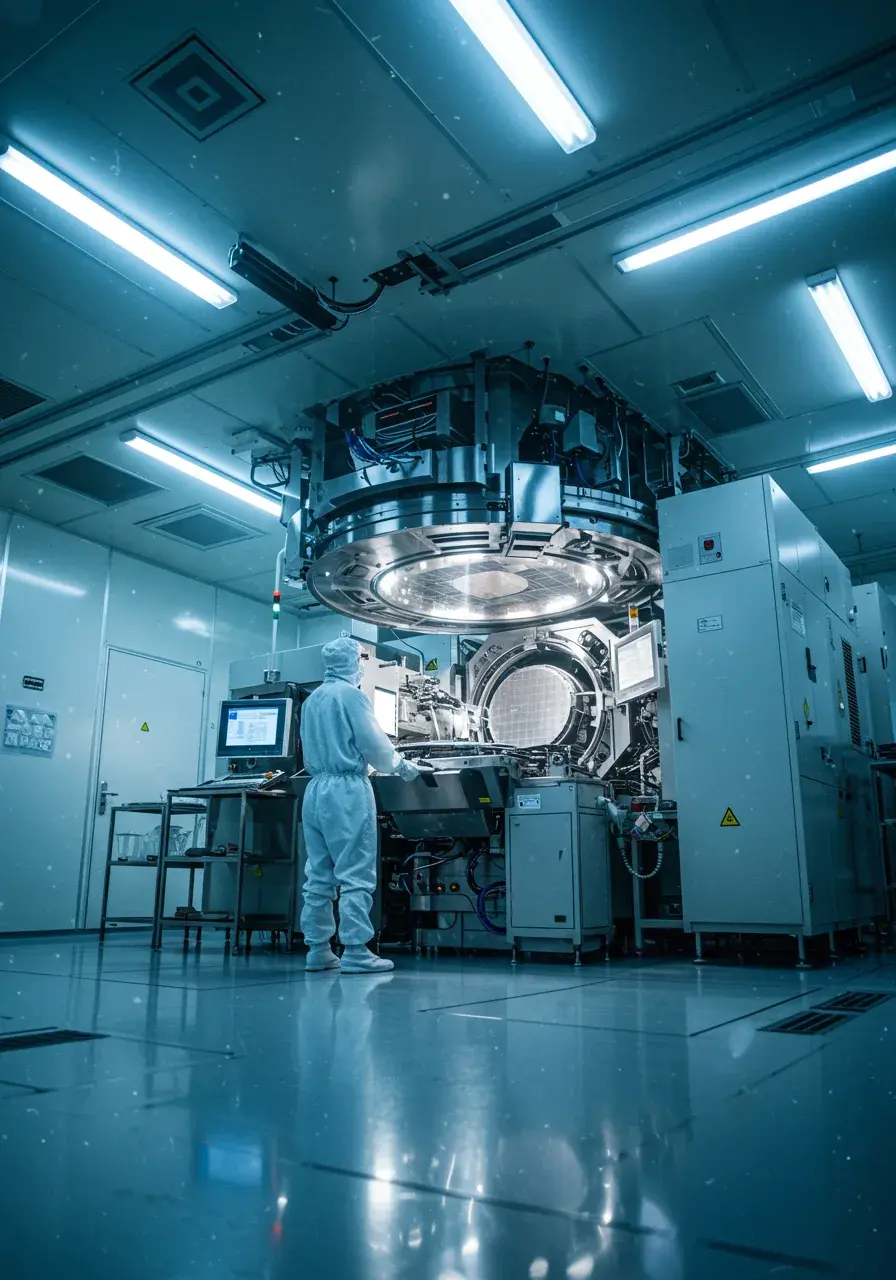
South Korea's SK Hynix has finalised a $26.5 billion American Depositary Receipt listing on Nasdaq, surpassing all previous records for a foreign company listing on a US exchange. The memory chip maker cited surging AI infrastructure demand as the primary driver, with DRAM prices projected to rise 40–50% through the third quarter of 2026. The listing confirms that semiconductor suppliers — not only the AI software platforms built on top of them — have become central to investor attention in this cycle. It also underscores how concentrated the global AI build-out has become on a small number of specialised memory manufacturers, most of them based in East Asia.
OpenAI Launches GPT-Live: Full-Duplex Real-Time Voice AI with Live Translation and Web Search
OpenAI has released GPT-Live-1 and a smaller GPT-Live-1 mini, described as full-duplex conversational models that listen and respond simultaneously, without the wait-and-respond pauses that characterised earlier voice systems. Both models include live translation and integrated web search, and are being rolled out globally through ChatGPT. For people who rely primarily on speech to access information — including those with limited literacy, visual impairments, or no reliable keyboard — a capable, ambient voice interface marks a practical expansion of what AI services can offer. The launch moves real-time voice from research-stage capability to a widely distributed product faster than most of the field expected.
Grok 4.5 Leads Agentic Tool-Use Benchmarks While Hallucination Rate Doubles to 54%
xAI's Grok 4.5 has posted the highest scores on several agentic tool-use benchmarks, outperforming competing models on tasks that require multi-step planning and coordinated external tool calls. Independent evaluations show, however, that its hallucination rate has risen from 25% to 54% relative to its predecessor — meaning the model fabricates or misrepresents content on more than half of assessed prompts. For organisations considering agentic deployment, this combination is difficult to manage: strong tool-calling capability paired with unreliable factual output creates automated workflows where errors compound in ways that are hard to catch before they propagate. The result adds empirical pressure to calls for reliability benchmarks to carry equal standing alongside capability scores in model evaluations.
Anthropic Confirms Claude Sonnet 5.5 Launch Within Days, Following Fable 5's Return
Anthropic has confirmed that Claude Sonnet 5.5 will be released within the coming week, following the recent return of Claude Fable 5 to general public access. The announcement extends a rapid release cadence that has kept Anthropic present across multiple capability tiers simultaneously. Sonnet 5.5 is expected to sharpen performance on reasoning and code generation — the segment where Anthropic competes most directly with OpenAI's flagship models and Google's Gemini family. The pace of sequential incremental releases also signals a market strategy of keeping users engaged with visible, regular progress rather than concentrating advances into larger, less frequent launches.